


Insect hotels are made of various natural materials, e.g. dry wood, tree bark or straw. The insects are protected from birds by pre-tensioned wire mesh. The sun provides the necessary warmth that the brood needs to develop. Sufficient protection from wind and rain is necessary, otherwise the insects may not accept their shelter.
Natural materials also last longer in quiet, wind-free locations. Sufficient flowers and plants grow around the insect hotel so that the insects can find enough food nearby.
Insects maintain the ecological balance in nature. Insect hotels are artificially created precisely for these useful insects so that the insects can overwinter and nest in them, because humans have almost destroyed the insects' habitats through pesticides or building development.
Without bees, bumblebees, flies and other beneficial insects, pest infestations, for example, cannot be regulated naturally and flowers cannot be pollinated. Insect hotels give insects the chance to survive the winter and thus help humans again next year.
Who will move into the insect hotel?
Bees, lacewings, ladybirds, earwigs, golden wasps, parasitic wasps, flies and even spiders ...
The best chance of colonising an insect hotel is between April and May, as this is when the red and horned mason bees fly, which are the easiest to attract. However, various species also arrive at later times and are also sure to appreciate the insect hotel
.

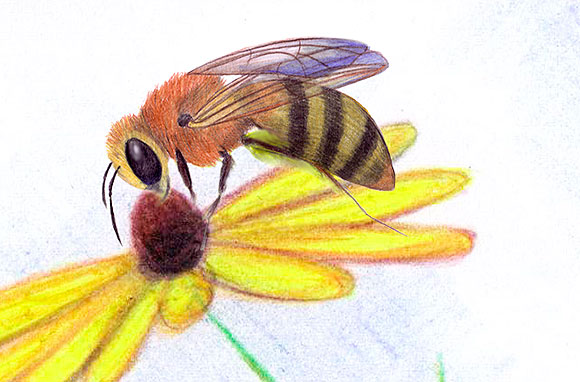
Solitary bees & wasps
Unlike colony-forming bumblebees or honeybees, most wild bee species live "solitary" lives.
This means that each of these wild bees is solely responsible for building a nest for their offspring, collecting pollen and nectar, laying eggs in nest cavities full of food and carefully closing the nest chambers.
Some of these species have specialised on certain plants. The scissor bee, for example, only flies to the flowers of bluebells.