

Why we humans need trees
With its many leaves, a large tree can produce as much oxygen as 10 people need to breathe. Every year, a tree filters about 1 tonne of dust and exhaust fumes from the air.
In addition ...
- trees provide shade and ensure cooling and a pleasant microclimate.
- trees store water and regulate the water table and humidity.
- trees provide wind, visual and noise protection and protect against erosion damage.
- trees are a habitat and shelter for a large number of living creatures.
There are around 35 billion trees in Germany.
But trees are even more important for wildlife than for us humans
Trees are particularly important because they are home to a large number of animals. Native trees are more valuable than tree species that originally come from other parts of the world. This is because the native animal species that use the trees as habitats are sometimes unable to adapt to the foreign wood and leaves.
All parts of the tree can be utilised by animals. While birds build their nests in the treetop and raise their young there, fungi, insects and cave breeders such as bats inhabit the bark and trunk. The leaves, flowers and fruit provide food for other animals, even if they are already lying on the ground as leaves.
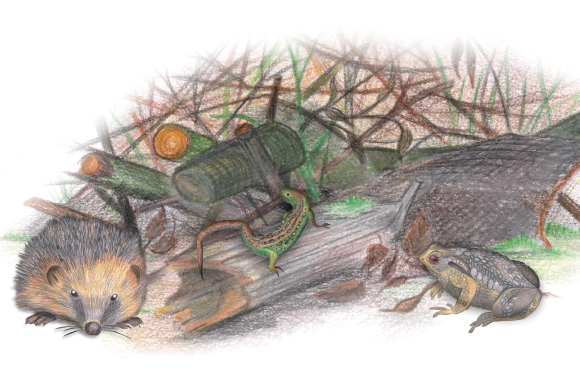
Due to the large number of insects, trees also provide a food source for animals that do not feed on the fruits or leaves of the plants. For example, frogs and lizards can also live off the trees, albeit indirectly. But not only living trees are important as habitats, tree ruins can also make an important contribution as living space and food sources for various animals. As long as tree ruins do not pose a danger, for example due to breaking branches or the risk of falling over, they should not be cut down, because the motto is: deadwood is also life.